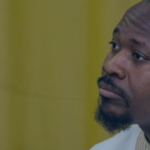
On 22 January, the Mbootaayu Leppiy Wolof cultural association held a conference at the Blaise Senghor Cultural Centre in Dakar, focusing in particular on the migration of the Wolof people from the Nile to the Senegal River. According to the historian and disciple of Cheikh Anta Diop, Professor Amadou Lamine Yagué, this migration originated in Ancient Egypt.
In a public space that is more democratised than ever before, comments on everything abound, including subjects of great importance concerning the very genesis of a community. Nevertheless, everything has a clearly defined origin.
According to historian Amadou Lamine Yague, for the Wolof people, this was the result of a long migration that began in Egypt. “From the outset, the Nile has always been a meeting place for many peoples, a melting pot of populations that created civilisations, including Pharaonic Egypt, the mother of all other civilisations,” explains Professor Yague. This is a crucial clarification, given the frequent debates over the origins of the groups that populate Senegal.
Continuing his historical analysis, he briefly revisits the main stages of this great, centuries-long movement. ‘Among the many groups that made up the great Egyptian civilisation were the Wolof.’ It was only later, through a succession of historical events — including the persecution of Black populations in Egypt — that the great migration of the peoples who founded the civilisation took place. They only had to follow the river to spread to various regions: First came Lake Chad, then the Niger River, and finally northern Senegal around the 11th century — a period that coincided with the fall of the Ghana Empire.
According to Mr Yague, the collapse of Ghana was a decisive factor before the Wolof and other groups reached the Senegal River and began the gradual occupation of Senegambia. ‘On site, the Diaobé (Wolof), together with other groups including the Soninke, the Serer and the Fulani, founded Tekrour, which only later became the Kingdom of Tekrour with the Deniyankobe Fulani.’
Amadou Bakhao Diaw, the president of the Mbootaayu Leppiy Wolof association, focused on some of the other themes discussed during the conference. “We discussed the migration of the Wolof people from the Nile to the Senegal River, their linguistic relationship with Ancient Egyptian and the accounts of Portuguese navigators. We also emphasised the central place of the Lebou people within the Wolof community,” he said.
In order to improve the preservation and long-term sustainability of Wolof culture, Mr Diaw discussed the idea of creating a digital library. He presented this resource as an excellent tool for young people who want to learn more about their origins.
“This resource will first be made available to young Senegalese people, and ultimately deposited at the University of Touba and the Department of Linguistics, where it will be translated into Arabic and Wolof,” he specified.
Ultimately, it must be acknowledged that initiatives of this kind are always beneficial in that they restore and strengthen historical facts. Perhaps similar accounts of the migration of other communities should follow, to help everyone understand just how long and complex the journey has sometimes been.