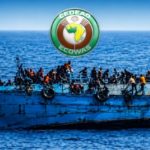
A new IOM study reveals a contradiction in southern and south-eastern Mauritania, where the communities most prone to climate change are also those least able to flee, adapt or protect themselves. Far from the images of mass exoduses, it is a sense of being trapped that prevails.
We often picture the climate crisis as a driving force behind migration, with waves of displaced people fleeing drought or rising sea levels. A recent study by the International Organisation for Migration (IOM) adds nuance to this narrative. Conducted between December 2025 and January 2026 in 196 communities in the Guidimakha and Hodh Ech Chargui regions, it documents a less visible reality: that of communities which, due to a lack of resources, are neither able to adapt where they live nor to leave to safety.
Vulnerable, Yet Immobilised
The study’s key figure alone sums up the paradox. Three-quarters of those surveyed (75 %) describe themselves as vulnerable or highly exposed to climate and environmental impacts: droughts, heavy rains and sandstorms. Yet only 10% of key informants reported having resorted to an adaptation strategy, whether this meant moving, taking out a loan or drawing on savings. The gap between these two figures reflects a phenomenon that the IOM terms ‘forced immobility’: staying in place not by choice, but for lack of an alternative.
According to the study, three factors explain this vulnerability: the frequent occurrence of climate shocks, the cumulative impact of these shocks over time, and households’ energy insecurity. In furtherance there islimited access to basic services and chronic food insecurity, which, over the years, are gradually eroding families’ ability to plan for the future.
“This study should be seen as a wake-up call, both in Mauritania and across West and Central Africa,” Idrissa Somparé, IOM Mission Chief in Mauritania concludes. In his view, climate vulnerability is not limited to exposure to risks as it also plays out in terms of access to the means of protecting oneself against them. When water, essential services or reliable information are lacking, families gradually lose their ability to make choices.
A Region Under Pressure
This study is being published as El Niño becomes a long-term phenomenon. According to the World Meteorological Organisation, the weather pattern is expected to persist until early 2027, with a risk of worsening rainfall and temperature disturbances in the region. For communities already grappling with water scarcity and land degradation, these forecasts are not merely a matter of meteorology: they herald further agricultural losses, increased pressure on resources, and more displacement for those families still able to do so.
This is not the first time Mauritania has had to cope with such disruptions. For several decades, the country has been battling drought, desertification and the gradual degradation of its natural resources – phenomena shared across much of the Sahelian belt.
Responses Yet to Be Formulated
In light of these findings, the Mauritanian government, with the support of IOM, has launched several initiatives. The country’s Nationally Determined Contribution has been updated to include, for the first time, measures related to human mobility and adaptation. A national adaptation plan is also being drafted, expected before COP31, alongside efforts underway to strengthen the capacity of the Ministry of the Environment.
According to IOM, these are all indicators that the vulnerabilities highlighted by the study are not irreversible, but form part of a planning process that still needs to be consolidated. “As COP31 approaches, our message is clear: climate finance must reach frontline communities before vulnerability becomes a death sentence,” insists Idrissa Somparé.
One question remains, which the study raises without providing an answer: what becomes of a migration policy designed for population flows when the central problem is that of populations who can no longer move at all?