The decision to close several gold mining sites in Mali and forcibly repatriate hundreds of workers from Niger is creating a new human and economic crisis for already vulnerable communities. Beyond the individual trauma, this impending population movement threatens to worsen food insecurity, economic precarity and social tensions in the regions in Niger, already identified as vulnerable by humanitarian actors.
Immediate context, profile of returnees and increased pressure on food security
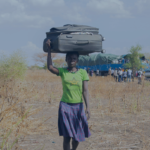
In Niger, migrants who go to work in Mali’s gold mining areas are often young men, sometimes accompanied by their families. They usually leave behind seasonal agricultural activities or small businesses. Regardless of its precarious nature, their income directly contributed to household budgets through regular or occasional remittances. The closure of the mining sites and forced return implies a sudden loss of income and repatriation to households that are unable to accommodate them.
This mass return is therefore occurring at a time when Niger is already experiencing severe food insecurity, with crisis hotspots concentrated in areas affected by security tensions between October 2025 and May 2026. The return of these workers will reduce households’ self-production capacity, increase local demand for food and emergency aid, and risk pushing more households into IPC Phase 3 or worse. Low domestic stock levels will be further depleted and local prices could rise, thereby further limiting vulnerable populations’ access to basic food items.
Local and national economic impact
At the local level, the influx of returnees will put pressure on the informal labour market. The available seasonal jobs, such as those in small businesses, construction and agriculture, will be insufficient to absorb this labour surplus, leading to unemployment, underemployment and increased economic vulnerability. At the national level, the reduction in remittances from Mali will lead to a decline in informal monetary flows that previously supported consumption and micro-entrepreneurship in some border regions.
Local authorities may indirectly experience a decline in revenues, even as demand for social services continues to rise. The informal sector, which is often the backbone of economic resilience, risks declining, thereby reducing households’ capacity to invest in education, health and nutrition.
Social and family consequences, security risks and secondary migration flows
The disruption of income has immediate social consequences, including rising intra-family tensions, increased risks of abuse and exploitation, and an increased likelihood of child labour being used to compensate for lost income. Women and children are often the first to be affected, resulting in consequences for schooling and maternal and child health. The return of workers of reproductive age can dynamically alter family structures and economic roles within households, generating psychosocial pressure and stigmatisation for those who return without resources.
An economic shock of this magnitude can fuel local instability. Unemployed young people are more likely to be recruited by armed groups or to engage in illegal activities, such as illegal artisanal mining, smuggling or other hazardous forms of the informal economy. Moreover, a lack of economic prospects could trigger irregular migration to other countries or along more dangerous routes, increasing migrants’ vulnerability and placing a greater burden on transit countries.
The closure of gold mining sites in Mali and the forced repatriation of Nigerien workers are alarming developments. They highlight the fragility of cross-border livelihoods and the structural vulnerability of populations in areas already affected by food insecurity and tension. Without rapid, coordinated and context-appropriate responses in Niger, these returns could turn an economic shock into a prolonged social and security crisis. Public authorities, humanitarian partners and donors must urgently anticipate the pressure on services and invest in solutions that restore sustainable livelihoods and strengthen the resilience of affected communities.